
Acne Scar
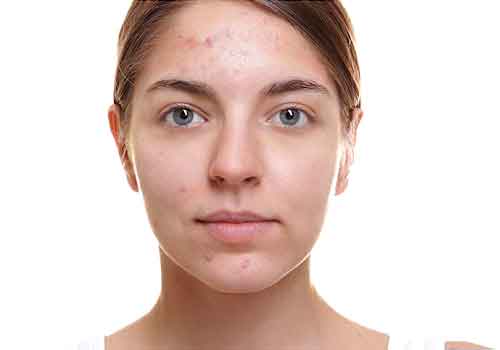
Active breakouts are frustrating enough, but the scars acne can leave behind can feel downright diabolical. The good news is that acne scars can be treated.
However, before treatment can start you first have to get rid of any acne once and for all since new breakouts can lead to new acne scars.
Some of the scar treatments below can’t be done alongside typical acne medications, and the inflammation that’s caused by breakouts can also reduce treatment effectiveness.
- Boxcar scars are superficial scars with sharp vertical edges, they can be round or oval shaped;
- Rolling scars appear as surface undulations of the skin and are typically caused by skin adhering to underlying structures of the dermis;
- Deep divots: are deep scars that involve loss of subcutaneous tissue volume and result in a large divot like hole (alluding to golf course divot holes);
- Ice-pick scars: these are deep but small holes in the skin, so called because they similar to the indentation left by an ice-pick
- Hypertrophic Scarring: is raised and usually pigmented as a result of acne; and
- Keloid Scars: these are significantly raised from the surrounding skin surface and typically a reddish purple colour.
Acne scarring is best categorised as (Goodman & Barron):
- Grade 1: Macular scar tissue or flat scar tissue that is marked by flat areas that have increased or decreased pigmentation that is seen from more than 50cm.
- Grade 2: Mild disease that is visible at distances of less than 50cm and can be covered by make-up. Examples include mild rolling acne scars.
- Grade 3: Moderate disease that is visible at 50cm or greater and is not easily covered with make-up or the normal shadow of a shaved beard hair. Stretching the skin can flatten the scar. Examples include more significant rolling scars, shallow boxcar scars, and mild to moderate hypertrophic scars.
- Grade 4: Severe disease as in Grade 3 but scarring is not flattened by stretching the skin. Examples include severe boxcar scars, deep divots, ice pick scars, and hypertrophic keloid scarring (very raised/pigmented scars).
Acne scar reduction
Up until recently, the treatment for Acne Scar Reduction was limited to several harsh treatments including:
- Chemical peels intended to improve the appearance of the skin using chemicals to remove the dead skin, the underlying skin was usually less wrinkled than the old skin; and
- Surface ablation of the skin (dermabrasion and microdermabrasion), sometimes referred to as resurfacing because it caused the skin surface to regenerate, dermabrasion was achieved by several processes including older forms of laser devices referred to as “Ablative” laser treatment.
- While laser is currently not appropriate for most categories and grades of Acne, it is appropriate and effective for Grade 1 macular acne scarring. Grade 1 macular scarring is one of the most common presentations of acne scarring.
Laser therapy for Macular Grade 1 Acne Scarring
Grade 1 Macular Scarring is primarily a problem of skin pigmentation so is readily treatable by advanced laser technology devices such as the Fractional Co2 Laser used by Dr. RK Gupta. Because macular grade 1 acne scarring does not involve changes in the skin texture, good results can be obtained using a laser to treat the areas where there is more pigment as a result of a previous acne lesion.
Dr. RK Gupta has achieved good results improving the cosmetic appearance of macular Grade 1 acne scarring and improving the overall appearance of the scars and skin using the q-switched Nd:YAG laser but we do not guarantee entire removal.
Laser Treatment
We understand the impact of acne scarring and the social impact to all people that have acne scarring. Dr. RK Gupta has determined that the Q-Switch laser is the most effective resource for the treatment of skin pigments including macular grade 1 acne scarring.
Dr. RK Gupta has the experience, training and qualifications to provide safe and effective therapies to achieve improvements in the appearance of macular grade 1 acne scarring. Skin Rejuvenation laser treatment is included in all 8 – 10 recommended weekly laser treatments for scar reduction. As with all laser therapy treatments, the frequency and number of treatments will depend on your skin type, the area affected and the size of that area. Contact us to arrange a free laser consultation to discuss the laser treatment plan that suits your needs.