
Eczema
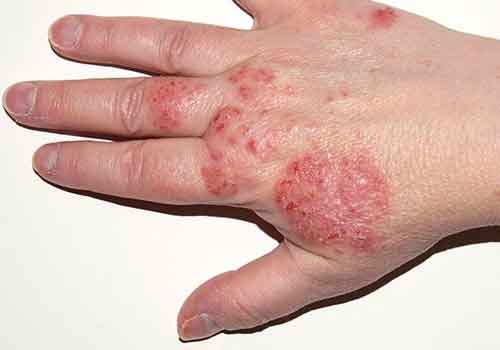
Eczema is a condition wherein patches of skin become inflamed, itchy, cracked, and rough. Some types can also cause blisters.
The symptoms of atopic dermatitis can vary depending on the age of the person who has it.
Atopic dermatitis is common in infants, with dry and scaly patches appearing on the skin. These patches are often intensely itchy.
Continuous rubbing and scratching can lead to skin infections. Learn how to identify infected eczema here.
Symptoms
In most cases, however, eczema is mild. The most common symptoms of atopic dermatitis include:
- dry, scaly skin
- skin flushing
- itching
- open, crusted, or weeping sores
Symptoms in infants
The following atopic dermatitis symptoms are common in infants under the age of 2:
- rashes on the scalp and cheeks
- rashes that bubble up before leaking fluid
- rashes that can cause extreme itchiness, which may interfere with sleeping
Symptoms in children
The following atopic dermatitis symptoms are common in children age 2 and above:
- rashes that appear behind the creases of elbows or knees
- rashes that appear on the neck, wrists, ankles, and the crease between the buttocks and legs
- bumpy rashes
- rashes that can become lighter or darker
- skin thickening, also known as lichenification, which can then develop into a permanent itch
Symptoms in adults
The following atopic dermatitis symptoms are common in adults:
- rashes that are more scaly than those occurring in children
- rashes that commonly appear in the creases of the elbows or knees or the nape of the neck
- rashes that cover much of the body
- very dry skin on the affected areas
- rashes that are permanently itchy
- skin infections
Adults who developed atopic dermatitis as a child but no longer experience the condition may still have dry or easily irritated skin, hand eczema, and eye problems.
The appearance of skin affected by atopic dermatitis will depend on how much a person scratches and whether or not the skin is infected. Scratching and rubbing can further irritate the skin, increase inflammation, and make the itching worse.