
Birthmark Removal
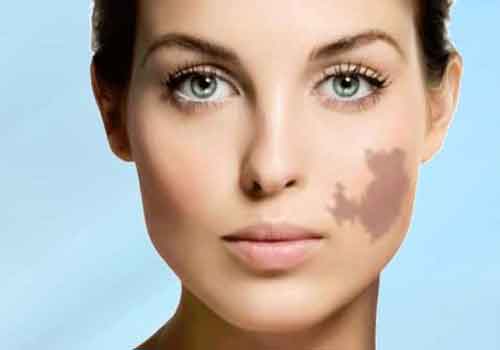
Birthmarks are rather curious features, given that no one really knows why we have them. Some birthmarks can be hereditary, while others simply appear in one of two ways. The first kind happens as a result of sudden growth of pigment cells in one area, called pigmented birthmarks, or from irregular blood vessels that crowd together beneath the skin, known as vascular birthmarks.
The range of pigmented and vascular birthmarks is extensive. They can come in a variety of colors (from black and brown to red, purple, and blue), shapes, and sizes. Some birthmarks (like angel kisses, strawberry marks, and Mongolian blue spots) fade or lighten with age, while others (salmon patches, port wine stains, etc.) do not fade and may even darken over time.
Birthmarks like facial hemangiomas, meanwhile, can grow and lead to other health issues. Removal of a birthmark for cosmetic reasons can be an important surgery for many people, whether it’s a cancerous mole or common types of harmless but unattractive spots. Thanks to developments in laser technology and other treatment options, it is now more achievable than ever before to have all kinds of birthmarks reduced in appearance or completely and permanently removed. In this introduction into birthmark removal surgeries, you’ll learn more about different types of moles and birthmarks, and how they can be treated using state-of-the-art removal techniques. We’ll also give you the pros and cons of each form of surgery, and everything else you’ll need to know to plan your removal procedure.